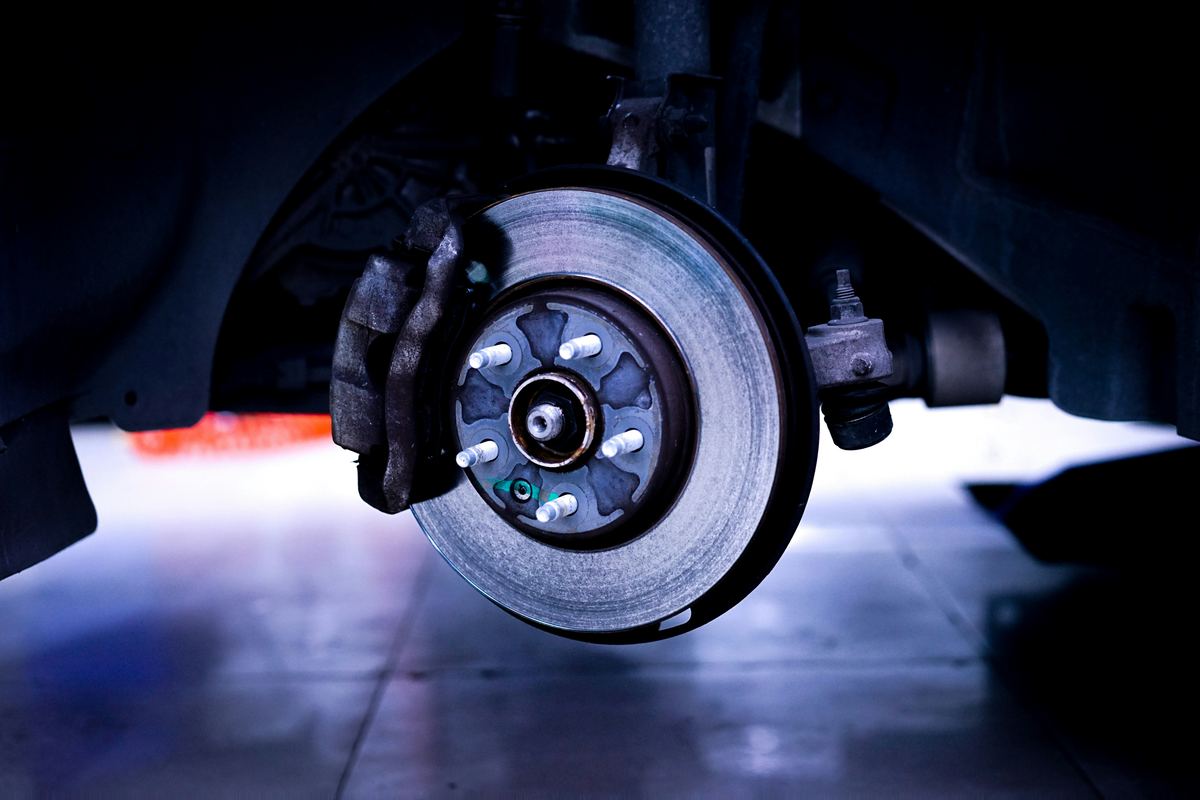
If your car shakes when braking at high speed, the most common cause is uneven brake rotors, often called “warped rotors.” Other causes include worn brake pads, a sticking caliper, loose lug nuts, and worn suspension parts. Where you feel the shaking (steering wheel, brake pedal, or seat) is the best clue to what’s wrong.
Below, we’ll walk through each cause, how to check it yourself, what repairs typically cost, and when you should stop driving.
Where Do You Feel the Shaking?
- Steering wheel shakes: usually the front brake rotors or front suspension parts.
- Brake pedal pulses: almost always uneven rotors (front or rear).
- Seat or whole car vibrates: often the rear rotors or drums.
- Shaking even when you’re not braking: likely a tire or wheel issue, not the brakes.
7 Reasons Your Car Shakes When Braking at High Speed
1. Uneven (“Warped”) Brake Rotors
This is the #1 cause. Rotors rarely truly warp. Instead, they develop uneven thickness from heat, or pad material builds up unevenly on the surface. At highway speed, even a tiny difference makes the pads grab and release many times per second, which you feel as shaking.
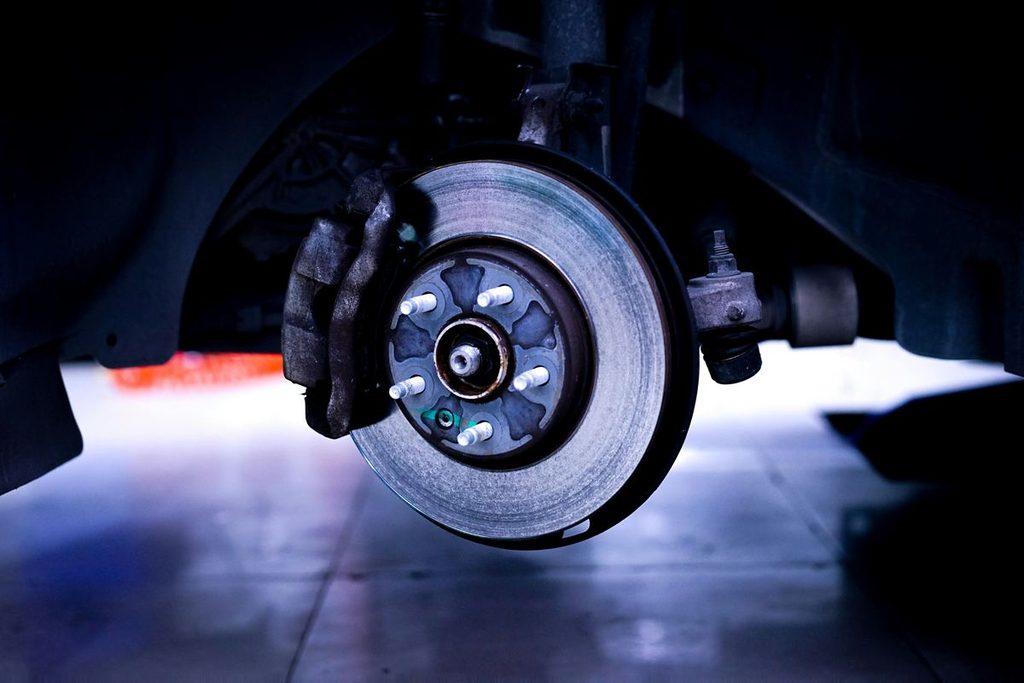
Signs: pulsing brake pedal, steering wheel shake that gets worse at higher speeds.
Fix: resurface the rotors (if they’re still above the minimum thickness stamped on them) or replace them. Always bed in new pads after the repair.
2. Worn Brake Pads
When pads wear very thin, the backing plate can contact the rotor, causing vibration and damaging the rotor surface.
Signs: squealing or grinding noise, longer stopping distances.
Fix: replace the pads. If the rotors are scored, resurface or replace them at the same time.
3. Sticking Brake Caliper
A caliper that doesn’t release fully keeps the pad pressed against the rotor. The rotor overheats and wears unevenly.
Signs: car pulls to one side, burning smell after driving, one wheel much hotter than the others.
Fix: service or replace the caliper, and usually the pads and rotor on that side.
4. Loose or Unevenly Tightened Lug Nuts
If lug nuts were over-tightened with an impact gun or tightened unevenly, they can distort the rotor. Over time, that creates uneven wear.
Signs: shaking started soon after a tire change or rotation.
Fix: re-tighten the lug nuts with a torque wrench, in a star pattern, to the spec in your owner’s manual.
5. Worn Suspension or Steering Parts
Worn tie rod ends, ball joints, or control arm bushings may feel fine while cruising. But braking shifts a lot of weight forward, which exposes any looseness.
Signs: clunking over bumps, loose or wandering steering, uneven tire wear.
Fix: a mechanic inspects and replaces worn parts, followed by a wheel alignment.
6. Out-of-Round Rear Brake Drums
Many cars still use drum brakes at the rear. If a drum wears out of round, it causes vibration you feel more in the seat than the steering wheel.
Fix: machine or replace the drums.
7. Wheel or Tire Problems
A bent wheel, a tire out of balance, or a damaged tire usually causes shaking at speed even without braking, but braking can make it more noticeable.
Fix: wheel balancing, or replacing a bent wheel or damaged tire.
Is It Just the ABS?
During a hard, emergency stop, a rapid pulsing in the pedal and a grinding buzz is normal. That’s your anti-lock braking system (ABS) working. If you feel shaking during normal, gentle stops, it’s not the ABS.
Is It Safe to Drive?
- Mild vibration only: generally okay to drive carefully to a shop soon, but don’t ignore it.
- Stop driving and get it towed if you have strong shaking, the car pulls hard to one side, you hear metal-on-metal grinding, the brake pedal feels soft or sinks, or you smell burning.
DIY Checks You Can Do
- Note where you feel it (steering wheel, pedal, or seat) using the list above.
- Check wheel heat safely. After a short drive, hold your hand near (not on) each wheel center. One wheel much hotter than the others suggests a sticking caliper.
- Look at the rotors through the wheel spokes: deep grooves, blue heat spots, or a raised lip at the edge are warning signs.
- Check pad thickness through the caliper opening. Pads thinner than about 3 mm (1/8 inch) should be replaced.
- Check lug nut torque with a torque wrench, using your owner’s manual spec.
- Check for play. With the car safely on jack stands (never just a jack), grab the tire at 12 and 6 o’clock and rock it, then at 3 and 9 o’clock. Movement points to worn ball joints, bearings, or tie rods.
Typical Repair Costs
Rough US shop estimates; prices vary by vehicle and location:
- Re-torquing lug nuts: often free to $30
- Resurfacing rotors: about $30–$60 per rotor, plus labor
- Brake pads and rotors (per axle): about $300–$600
- Caliper replacement (per caliper): about $250–$500
- Tie rod end or ball joint: about $150–$400 each, plus alignment
How to Prevent It
- Bed in new pads properly after every brake job.
- Avoid holding the brakes hard at a stop after heavy braking (such as coming off a highway ramp).
- Make sure lug nuts are tightened with a torque wrench, not just an impact gun.
- Use quality pads and rotors, and inspect your brakes at every tire rotation.
FAQ
Why does my car shake when braking only at high speed?
Higher speed means more heat and faster wheel rotation, so small rotor thickness differences are much easier to feel. At low speed, the same problem may be barely noticeable.
Why does my car shake after getting new brakes?
Common reasons: the pads weren’t bedded in, lug nuts were tightened unevenly, rust wasn’t cleaned off the wheel hub before installing new rotors, or the parts were low quality.
Can bad alignment cause shaking when braking?
Not usually. Bad alignment typically causes pulling and uneven tire wear. But worn suspension parts found during an alignment check can cause brake shake.
Can I resurface rotors instead of replacing them?
Yes, as long as they’re still above the minimum thickness stamped on the rotor. Many modern rotors are thin, so replacement is often recommended.
Safety note: Brake work affects your ability to stop. If you’re not confident, have a certified mechanic inspect and repair your brakes.
3 thoughts on “Car Shakes When Braking at High Speed? 7 Causes and Fixes”