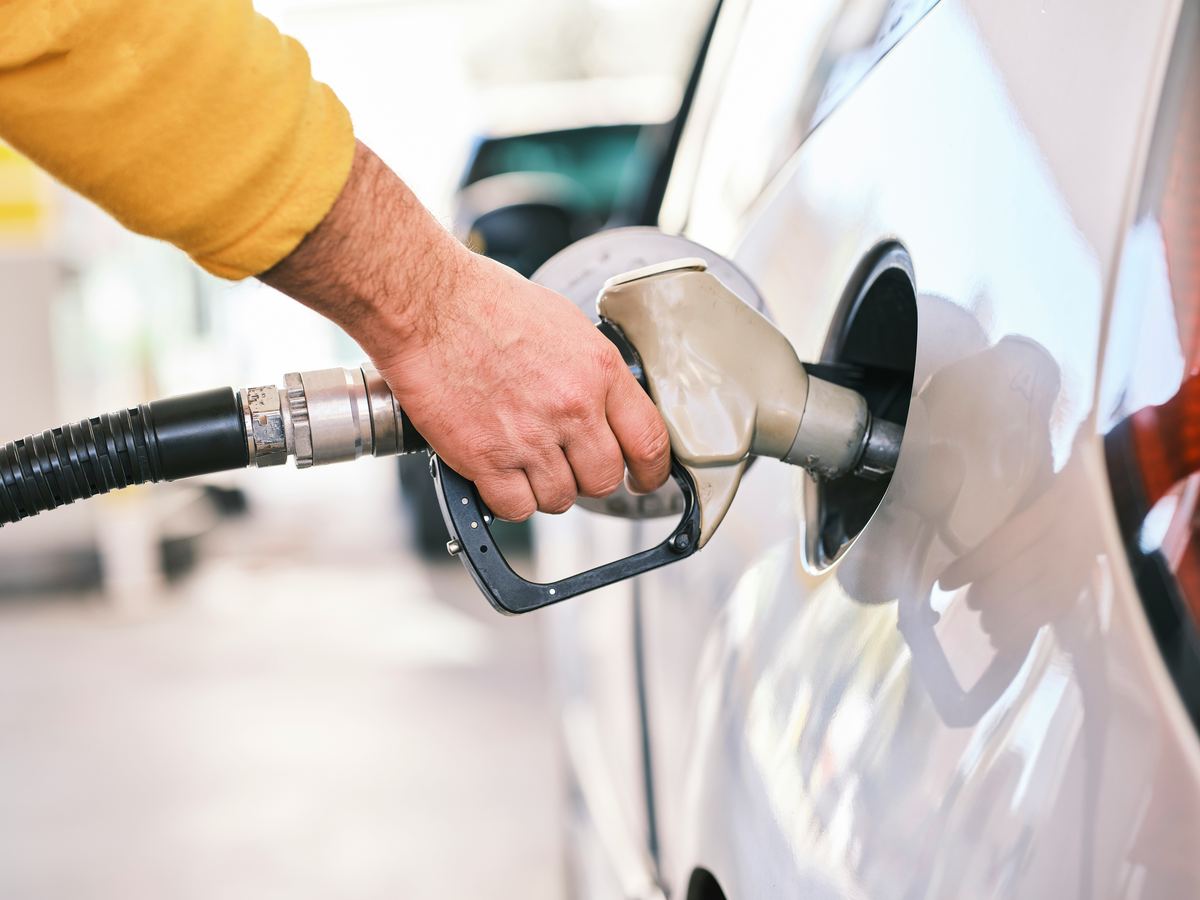
If your car smells like gas, the cause can be as simple as a loose gas cap or fuel spilled while filling up, or as serious as a fuel leak. Other common causes include a leaking EVAP (fuel vapor) system, a leaking fuel injector, an engine running too rich, or an exhaust leak.
A strong raw gasoline smell is a fire risk. Take it seriously, especially if you see a puddle under the car or smell it inside the cabin.
⚠️ When to Stop Immediately
Turn off the engine, get everyone out, and don’t restart the car if:
- You see fuel dripping or a puddle under the car
- There’s a strong raw gas smell inside the cabin
- The smell comes with smoke or a burning smell
- Anyone feels dizzy, nauseous, or gets a headache
Keep sparks and flames away, and call for a tow. If there’s a fire, move away from the car and call 911. For more fire safety tips, see nfpa.org.
When Does the Smell Happen?
- Right after refueling: likely a spill, overfilling, or a loose gas cap.
- Near the back of the car: often the gas cap, filler neck, fuel tank, or EVAP system.
- Under the hood: possibly a leaking fuel injector, fuel line, or fuel rail.
- From the exhaust: the engine may be running rich or misfiring.
- Inside the car with the fan on: fumes from a leak or the exhaust may be getting into the cabin.
- Briefly on a cold start (older cars): some fuel smell can be normal; it shouldn’t last.
7 Causes of a Car Smelling Like Gas
1. Loose, Damaged, or Missing Gas Cap
The gas cap seals the fuel system. If it’s loose or its rubber seal is cracked, fuel vapors escape. This often turns on a steady check engine light.
Fix: tighten the cap until it clicks. If the seal is cracked or the cap doesn’t click, replace it. It’s an inexpensive part.
2. Fuel Spill or Overfilling
Fuel spilled on the car or ground smells strongly for a while. “Topping off” after the pump clicks off can also push liquid fuel into the vapor system and damage it.
Fix: a small spill usually fades within an hour or so. In the future, stop filling at the first click.
3. Fuel Line or Fuel Tank Leak
Fuel lines can corrode, crack, or get damaged, and fuel tanks can rust or be punctured. This is the most dangerous cause.
Signs: a strong smell, a wet spot or puddle under the car, or needing to refuel more often.
Fix: don’t drive the car. Have it towed and repaired.
4. EVAP System Leak
The evaporative emissions (EVAP) system captures fuel vapors from the tank and burns them in the engine. A leak in its hoses, valves, or charcoal canister lets vapors escape.
Signs: a gas smell near the rear of the car, a check engine light with EVAP codes (often in the P0440–P0457 range), or trouble filling up (the pump keeps clicking off).
Fix: a shop can do a smoke test to find the leak, then replace the faulty part.
5. Leaking Fuel Injector or Fuel Rail
Fuel injectors spray fuel into the engine and are sealed with small O-rings. If a seal or injector leaks, fuel can drip onto the engine.
Signs: a gas smell under the hood, a wet or shiny area around the injectors, rough running.
Fix: replace the leaking injector or seals. Don’t drive with fuel leaking onto a hot engine.
6. Engine Running Rich or Misfiring
If the engine gets too much fuel or a cylinder isn’t firing, unburned gas goes out the exhaust.
Signs: a gas smell from the exhaust, black smoke, poor fuel economy, or a flashing check engine light. See our guide to check engine light flashing.
Fix: read the trouble codes and repair the cause (spark plugs, coils, sensors, or injectors).
7. Exhaust Leak
A leak in the exhaust system can let fumes into the cabin, especially at low speeds or with the windows open.
Signs: a louder exhaust, a ticking or puffing noise, fumes inside the car.
Fix: repair the leak promptly. Exhaust fumes contain carbon monoxide, which is odorless and dangerous, so if you can smell exhaust inside the car, open the windows and get it checked right away.
For other smells, like burning oil, coolant, or plastic, see our guide to burning smells after driving.
DIY Checks You Can Do
- Check the gas cap: make sure it’s tight and clicks, and that the seal isn’t cracked.
- Look under the car for drips or wet spots, especially near the fuel tank and along the fuel lines. Gasoline evaporates quickly but often leaves a stain.
- Check under the hood (engine cool) for wet or shiny areas around the fuel injectors and fuel lines.
- Note where and when you smell it, using the list above.
- Read the check engine codes with an OBD2 scanner, or at an auto parts store.
Safety: don’t use lighters, smoke, or anything that could spark while checking for a fuel leak.
Is It Safe to Drive?
- Faint smell right after refueling that fades: usually fine.
- Loose gas cap: fine once tightened.
- Strong raw gas smell, a puddle, or smell inside the cabin: don’t drive. Get it towed.
Typical Repair Costs
Rough US estimates; prices vary by vehicle and location:
- Gas cap: about $15–$40
- EVAP smoke test (diagnosis): about $100–$200
- EVAP purge or vent valve: about $150–$300
- Exhaust leak repair: about $100–$500+
- Fuel line repair: about $150–$500+
- Charcoal canister: about $250–$600
- Fuel injector: about $300–$900
- Fuel tank replacement: about $500–$1,500+
FAQ
Is it normal for my car to smell like gas after filling up?
A faint smell for a few minutes is common. If it’s strong or lasts, check the gas cap and look for spills or leaks.
Why does my car smell like gas when I start it?
Some older cars run rich briefly on a cold start, which can cause a short-lived smell. If it’s strong or lasts after warm-up, it may be a leaking injector or fuel line.
Can gas fumes make you sick?
Yes. Breathing gas fumes can cause headaches, dizziness, or nausea. Get fresh air right away, and seek medical help if symptoms are severe.
Can I drive if my car smells like gas?
If it’s a faint smell after refueling, usually yes. If the smell is strong, you see a leak, or it’s inside the cabin, don’t drive. Have it towed.
Safety note: Gasoline is highly flammable. If you suspect a fuel leak, don’t drive the car. Have it inspected by a certified mechanic.