
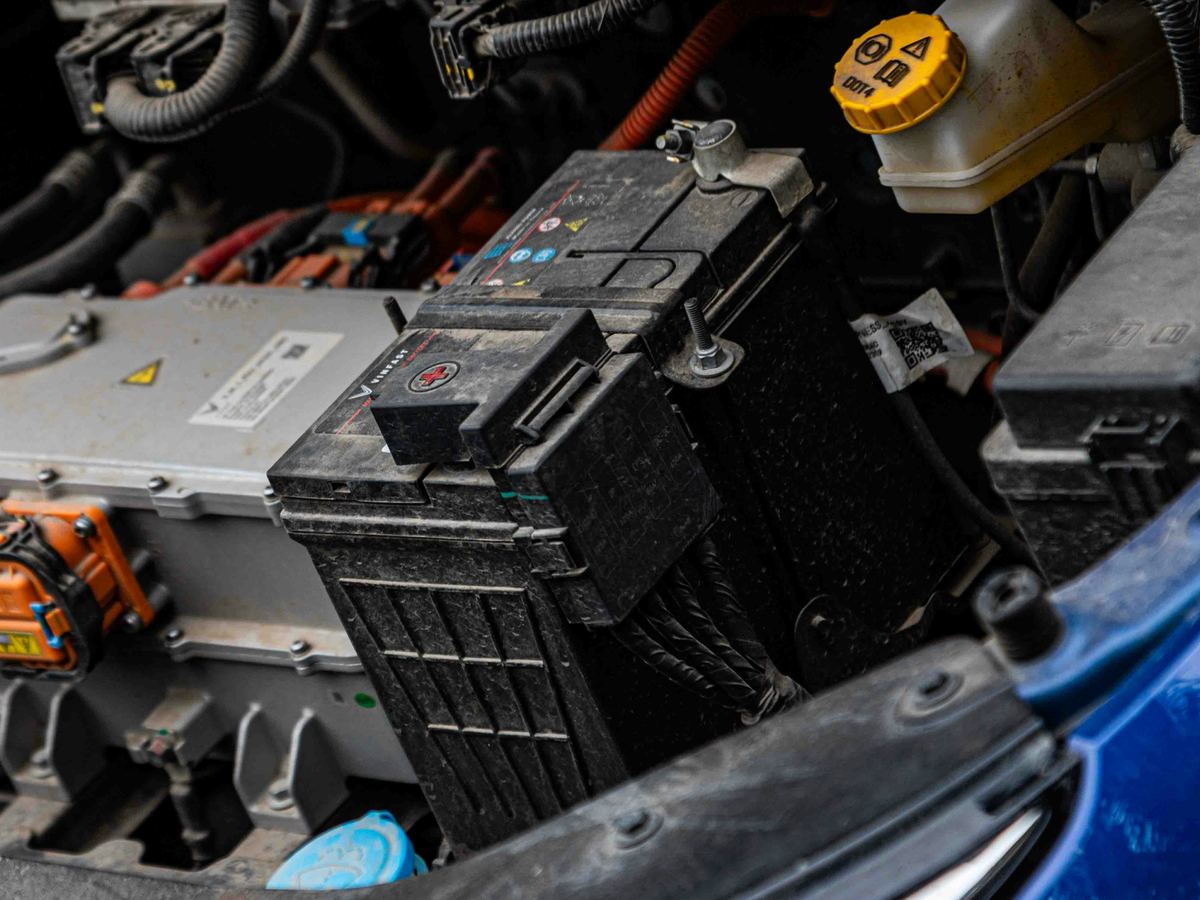
If your car battery keeps dying, the most common causes are an old battery, a parasitic drain (something drawing power while the car is off), or a failing alternator that isn’t recharging the battery. Loose or corroded connections, lots of short trips, and extreme temperatures can also be to blame.
Quick Checks First
- Anything left on? Headlights, interior lights, the trunk or glove box light, or a phone charger or dashcam plugged in.
- Battery age: most batteries last about 3–5 years. Check the date sticker on the battery.
- Driving habits: mostly short trips don’t give the alternator time to recharge the battery.
7 Causes of a Car Battery That Keeps Dying
1. Old or Weak Battery (Most Common)
As batteries age, they hold less charge and can’t recover from small drains.
Test: many auto parts stores test batteries for free. A healthy, fully charged battery reads about 12.6 volts with the engine off.
Fix: replace the battery.
2. Parasitic Drain
Some systems draw a small amount of power when the car is off, which is normal. But a faulty module, stuck relay, glove box or trunk light, or aftermarket accessory (alarm, dashcam, stereo) can drain the battery overnight.
Fix: find the circuit with a parasitic draw test (below), then repair or disconnect it.
3. Failing Alternator
If the alternator isn’t charging properly, the battery slowly runs down while you drive. See battery light on while driving.
Test: with the engine running, battery voltage should usually be about 13.7–14.7 volts.
Fix: replace the alternator.
4. Loose or Corroded Battery Connections
Corrosion or loose clamps stop the battery from charging fully.
Fix: clean and tighten the terminals. See the steps in car won’t start but lights work.
5. Short Trips
Starting the engine uses a lot of energy. On short trips, the alternator can’t replace it.
Fix: take a longer drive regularly, or use a battery maintainer if the car sits a lot.
6. Extreme Temperatures
Heat speeds up battery wear, and cold reduces how much power a battery can deliver.
Fix: test the battery before summer and winter, and replace it if it’s weak.
7. Slipping Serpentine Belt
A loose or worn belt can’t spin the alternator properly, so charging is weak.
Signs: squealing, especially when starting or accelerating. See squealing noise when accelerating.
Fix: replace the belt and tensioner if needed.
How a Parasitic Draw Test Works
A parasitic draw test measures how much current flows while the car is off:
- With everything off and doors closed, a multimeter set to amps is connected between the negative battery terminal and its cable.
- After the car’s computers go to sleep (this can take up to an hour on some cars), the reading is checked. Many cars draw under about 50 milliamps when asleep.
- If the reading is higher, fuses are pulled one at a time until the draw drops, which reveals the faulty circuit.
This test requires care, since opening a door or turning something on can blow the meter’s fuse. Many people have a shop do it.
Typical Repair Costs
Rough US estimates; prices vary by vehicle and location:
- Battery test: often free at auto parts stores
- Cleaning terminals: free (DIY) to about $50
- Battery maintainer: about $30–$80
- Serpentine belt: about $100–$250
- Parasitic drain diagnosis: about $100–$200
- New battery, installed: about $150–$300
- Alternator: about $400–$900
FAQ
Why does my car battery keep dying overnight?
Usually a parasitic drain (something staying on) or a battery that can no longer hold a charge.
Can a bad alternator kill a new battery?
Yes. If the alternator doesn’t charge properly, even a new battery will run down.
How do I know if it’s the battery or the alternator?
Test both. A battery that fails a load test is the problem; if the battery is good but running voltage is low, suspect the alternator.
Safety note: Car batteries contain acid and can release flammable gas. If you’re unsure, have your battery and charging system tested by a professional.